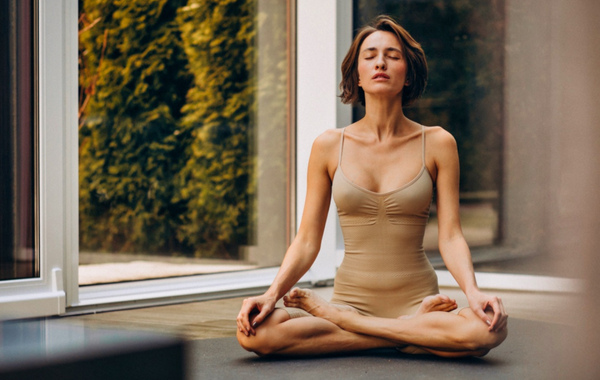
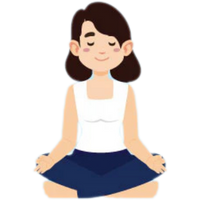
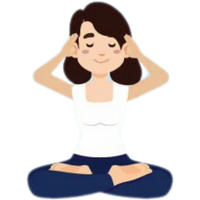
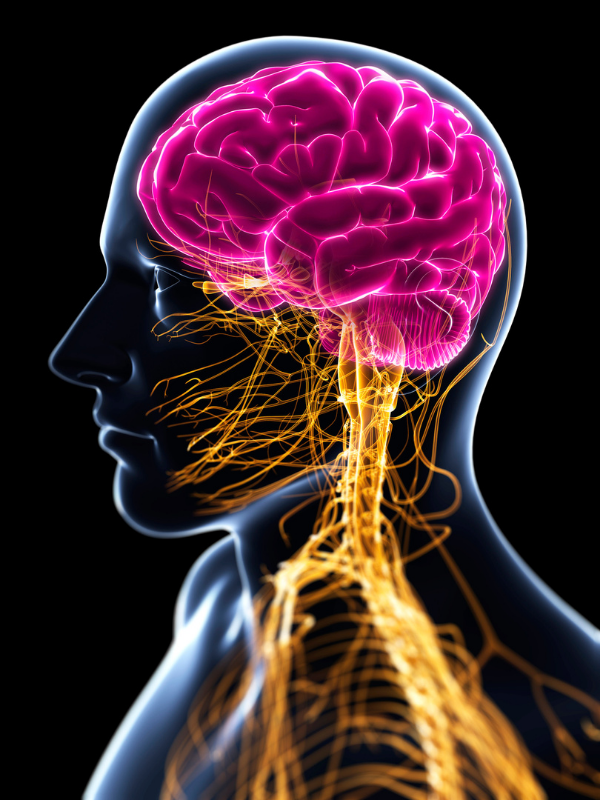
Proper Breathing, known as Pranayama, is the art of controlling and expanding one’s life force (prana) through the breath. It connects the body and mind, bringing balance, vitality, and calmness. Conscious breathing awakens inner energy, enhances focus, and helps regulate emotions, leading to overall harmony and mental clarity.
Core Principles
Awareness of Breath
Observing and understanding the natural rhythm of breathing.
Balance and Control
Equalizing inhalation and exhalation to stabilize energy.
Energy Regulation
Using breath to direct prana throughout the body.
Calmness and Clarity
Promoting relaxation and mental stillness through steady breathing.
practise
Deep Abdominal Breathing (Yogic Breath) — Expands lung capacity and relaxes the mind.
Nadi Shodhana (Alternate Nostril Breathing) — Balances left and right energy channels.
Kapalabhati (Cleansing Breath) — Energizes and purifies the respiratory system.
Bhramari (Humming Bee Breath) — Calms the mind and relieves stress.
Anulom Vilom Pranayama
Balancing Breath for Inner Harmony
What is Anulom Vilom?
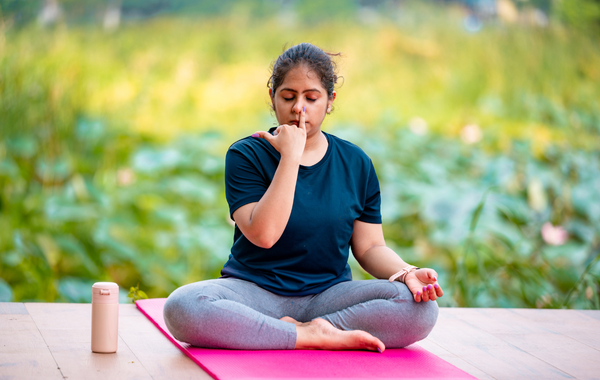
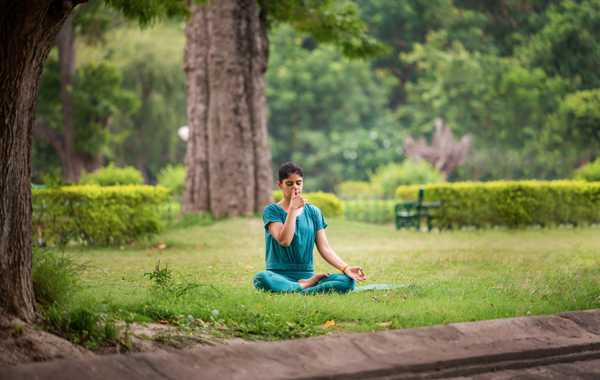
The word Anulom means “with the natural flow” and Vilom means “against the natural flow.” Together, Anulom Vilom refers to alternate nostril breathing, a powerful yogic technique that brings balance to the body and mind. By consciously controlling the breath, this pranayama harmonizes the flow of energy (prana) in the body, calms the nervous system, and promotes inner peace.
How to Practice Anulom Vilom
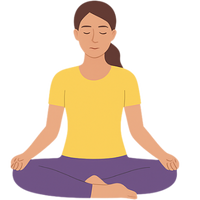
Sit Comfortably
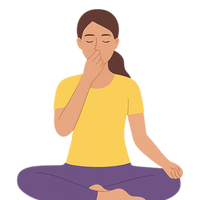
Close Right Nostril
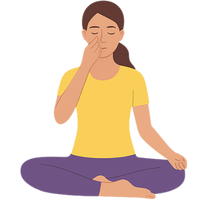
Open Left Nostril
Repeat On the Other Side
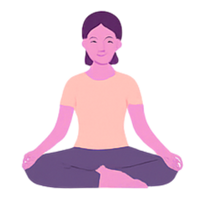
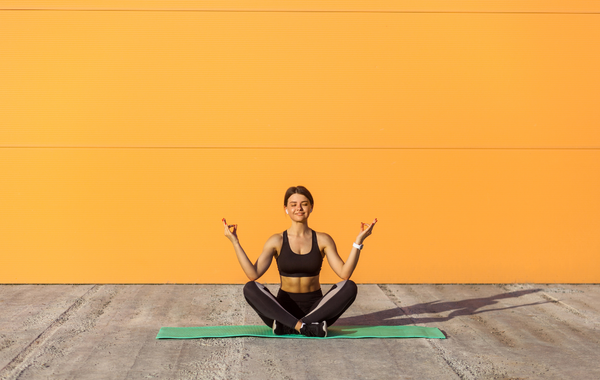
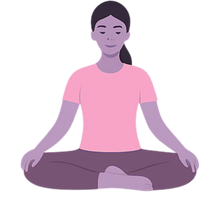
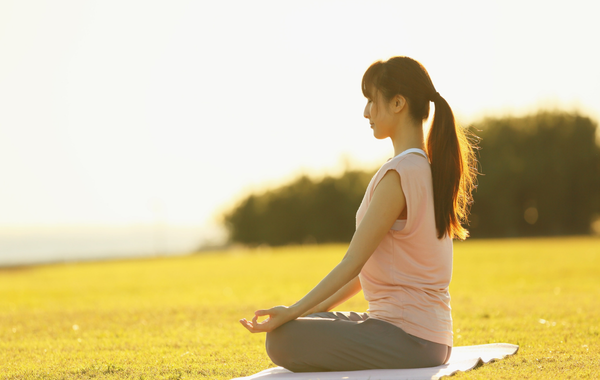
Sit comfortably in Padmasana, Sukhasana, or any relaxed position with your spine straight.
Close your eyes and place your left hand on your knee in Gyan Mudra.
Use your right thumb to gently close the right nostril.
Inhale deeply through the left nostril.
Close the left nostril with your ring finger and release the right nostril.
Exhale slowly through the right nostril.
Inhale from the right nostril, then close it and exhale from the left nostril.
This completes one round. Continue for 5–10 minutes.
Benefits of Anulom Vilom
Improves lung capacity and strengthens the respiratory system.
Reduces stress, anxiety, and promotes relaxation.
Enhances concentration, memory, and mental clarity.
Balances both hemispheres of the brain, improving emotional stability.
Helps control blood pressure and boosts overall immunity.
Best Time to Practice
The ideal time to perform Anulom Vilom is early morning on an empty stomach in a calm, fresh environment. It can also be practiced in the evening, provided you have not eaten for at least 3 hours.
Duration & Precautions
Begin with 5 minutes daily and gradually extend up to 15–20 minutes. Maintain slow, deep, and steady breathing. Pregnant women, people with severe heart disease, or those suffering from chronic respiratory issues should practice under expert guidance.
"Regular practice of Anulom Vilom pranayama not only energizes the body but also elevates the mind, bringing balance, focus, and tranquility."
BHASTRIKA PRANAYAMA
Igniting Inner Energy with Bellows Breath
What is Bhastrika?
The word Bhastrika means “bellows,” referring to the strong inhalation and exhalation that mimic a blacksmith’s tool blowing fire. In this pranayama, both inhalation and exhalation are equally forceful, energizing the body and awakening inner vitality. Often called the “Bellows Breath,” it clears the mind, purifies the body, and prepares the practitioner for higher yogic practices.
How to Practice Bhastrika
Sit Comfortably
Inhale Deeply
Exhale Forcefully
Maintain Rhythm
Choose Padmasana, Sukhasana, or Vajrasana. Keep the spine tall and shoulders relaxed.
Breathe in powerfully through the nose, expanding the lungs and chest.
Release the breath with equal force, contracting the abdominal muscles.
Continue with steady, powerful breaths for 10–20 strokes (beginners).
Benefits of Bhastrika
Boosts lung capacity and improves oxygen circulation.
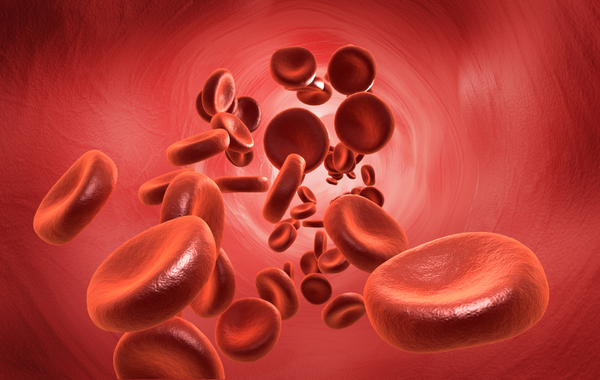
Purifies blood and energizes the whole body.
Enhances digestion and metabolism.
Reduces stress, anxiety, and restlessness.
Improves concentration and sharpens mental clarity.
The ideal time for Bhastrika is in the morning on an empty stomach. Begin with 5 minutes and gradually increase. Always follow with a calming pranayama, such as Anulom Vilom or Bhramari, to balance the energy.
"With every breath of Bhastrika, you fuel the fire within, awakening energy, clarity, and inner strength."
Kapalabhati Pranayama
Cleansing Breath for Energy & Vitality
What is Kapalabhati?
The word Kapalabhati comes from Sanskrit — Kapal means “skull” and Bhati means “shining.” This practice is known as the “Skull Shining Breath” because it purifies the body, energizes the mind, and brings natural radiance. With rhythmic, forceful exhalations, Kapalabhati detoxifies the system and awakens inner vitality.
How to Practice Kapalabhati
Sit Comfortably
Passive Inhale
Forceful Exhale
Repeat
Sit in Padmasana, Sukhasana, or Vajrasana with a straight spine.
Place hands on knees in Jnana Mudra or Chin Mudra.
Breathe in gently and naturally.
Contract abdominal muscles quickly, pulling the navel in.
Exhalation is active, inhalation happens automatically.
Practice 2–3 rounds, resting in between.
Benefits of Kapalabhati
Physical
Strengthens lungs and clears respiratory passages.
The ideal time to practice Kapalabhati is early morning on an empty stomach in a fresh, calm environment. It may also be done in the evening if at least 3 hours have passed after a meal. Always follow with a calming pranayama like Anulom Vilom or Bhramari.
"Regular practice of Kapalabhati pranayama not only cleanses the body and energizes the system, but also awakens clarity, focus, and inner strength."
Bhramari Pranayama
Healing with Bee Breath
What is Bhramari?
The word Bhramari means “bee” in Sanskrit. In this pranayama, a soft humming sound is produced while exhaling, similar to a bee’s buzz. The gentle vibration calms the mind, relaxes the nervous system, and promotes deep inner peace.
How to Practice Bhramari
Sit Comfortably
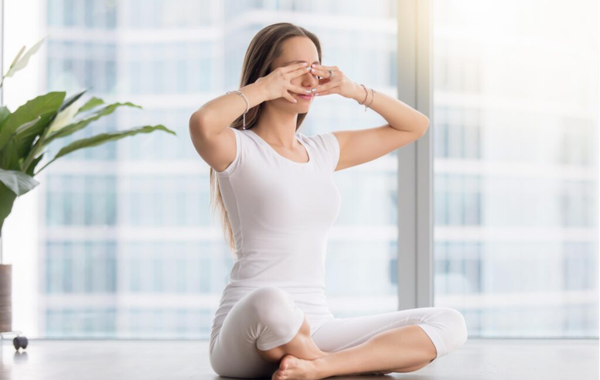
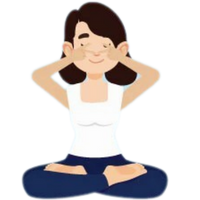
Hand Placement (Shanmukhi Mudra)
Inhale deeply
Sit in Padmasana, Sukhasana, or Vajrasana.
Keep spine straight, eyes closed, and body relaxed.
Thumbs: Close ears, Index fingers: On eyelids.
Middle fingers: On sides of the nose, Ring & little fingers: Above and below lips.
Inhale deeply through the nose.
Exhale slowly while making a humming “mmm…” sound like a bee.
Feel the vibration in head & chest.
Repeat for 5–7 rounds.
Benefits of Bhramari
Mental & Emotional
Deeply calms the mind.
Reduces stress, anger, anxiety, and insomnia.
Improves focus, memory, and concentration.
Physical
Lowers blood pressure.
Relieves headaches and migraines.
Eases throat & sinus issues.
Improves voice quality (great for singers & speakers).
Spiritual
Activates Ajna Chakra (third eye).
Helps withdraw senses inward (Pratyahara).
Prepares mind for meditation.
Best Time to Practice
The ideal time to practice Bhramari Pranayama is early in the morning or before meditation and sleep, when the mind is naturally quiet. It should always be done on an empty stomach, in a calm and peaceful environment, followed by a few minutes of silence or meditation.
"The soft humming of Bhramari pranayama creates inner harmony, easing stress and awakening deep peace within the mind and body."
Surya Namaskar
Balancing Breath for Inner Harmony
What is Surya Namaskar?
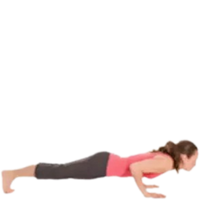
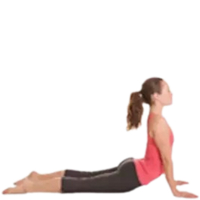
Surya Namaskar (Sun Salutation) is one of the most complete yoga practices, combining asana (postures), pranayama (breath control), and mantra (affirmation). It is a sequence of 12 powerful yoga postures performed in flow, synchronizing movement with breath. Traditionally, it is practiced at sunrise, facing the sun, to energize body and mind.
How to Practice Surya Namaskar
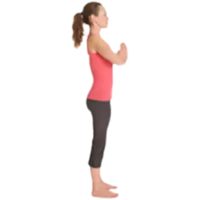
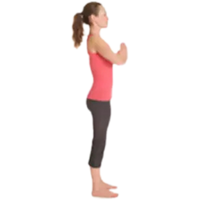
Pranamasana (Prayer Pose)
Stand straight, feet together.
Join palms in front of chest (Namaste mudra).
Symbolizes humility & gratitude.
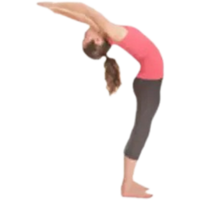
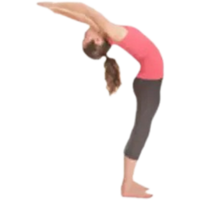
Hastauttanasana (Raised Arms Pose)
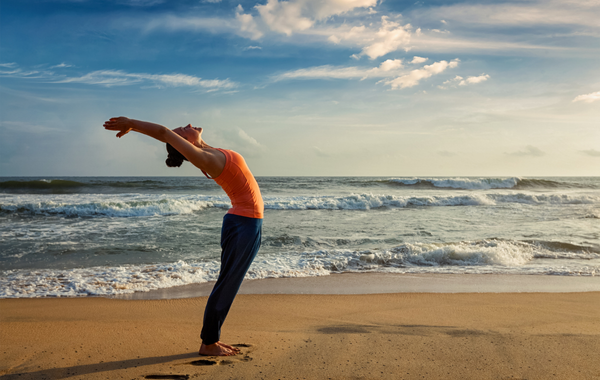
Inhale, raise arms upward & backward, arch back slightly.
Expands chest, improves lung capacity.
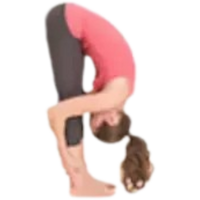
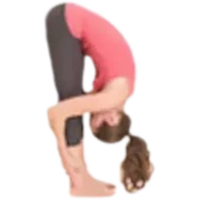
Hasta Padasana (Standing Forward Bend)
Exhale, bend forward from hips, palms beside feet, forehead to knees.
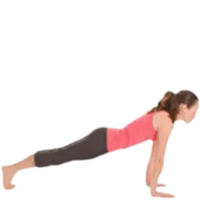
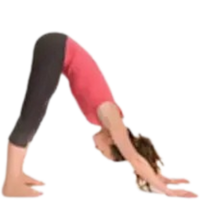
Exhale, lift hips, heels on floor, head between arms.
Increases blood flow to brain, stretches hamstrings.
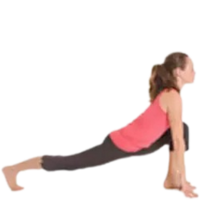
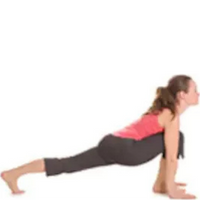
Ashwa Sanchalanasana (Equestrian Pose – other leg)
Inhale, bring left foot forward, look upward.
Same benefits as step 4.
Hasta Padasana (Standing Forward Bend)
Exhale, bring right foot forward, bend down fully.
Same as step 3.
Hastauttanasana (Raised Arms Pose)
Inhale, stretch arms upward & backward.
Same as step 2.
Pranamasana (Prayer Pose)
Exhale, return to Namaste.
Brings calmness & balance.
Benefits of Surya Namaskar
Improves flexibility and balance
Enhances blood circulation
Strengthens muscles and joints
Improves digestion and metabolism
Balances the endocrine system (thyroid & adrenal glands)
Reduces stress and calms the mind
Best Time to Practice
Surya Namaskar is best practiced at sunrise, when the energy of the sun is at its peak and the body is fresh. Always perform it on an empty stomach, in a quiet and ventilated space. Beginners may start with 4–6 rounds and gradually increase to 12 rounds daily.
"Surya Namaskar is not just a physical workout – it’s a moving meditation. Each posture, breath, and mantra honors the sun as a source of life, helping you cultivate gratitude, energy, and balance in daily living."
Practicing slow, mindful breathing before meditation helps settle thoughts, reduce anxiety, and deepen concentration — creating a sense of harmony and inner stillness.
Breath is the bridge between body and mind. When breath flows smoothly, the mind becomes peaceful, and when the mind is calm, the breath becomes steady. Through Pranayama, one gains control over both, awakening inner balance and vitality.